GHK-Cu (glycyl-L-histidyl-L-lysine copper) is one of the most-studied copper-binding peptides in dermatological and tissue-repair research. First isolated from human plasma by Loren Pickart in 1973, it has accumulated a long peer-reviewed literature on fibroblast activity, extracellular matrix turnover and antioxidant signalling. This post summarises what published research reports, distinct from any claim about human therapeutic use.
What is the GHK-Cu copper peptide complex?
GHK is a tripeptide — glycine, histidine and lysine — with a particularly high affinity for divalent copper ions (Cu²⁺). When complexed with copper it forms a planar coordination structure typically written as GHK-Cu or Cu-GHK. The copper ion is not incidental: much of the published mechanistic activity is attributed to controlled delivery of copper to cellular targets and to copper-dependent signalling pathways.
Plasma concentrations of GHK decline with age — from around 200 ng/mL in young adults to roughly 80 ng/mL by middle age in the originally reported data — which is part of why the peptide attracted attention in regenerative and ageing-related research.
Skin and extracellular matrix research
Published in-vitro and ex-vivo work has examined GHK-Cu effects on dermal fibroblasts and the extracellular matrix. Reported observations include modulation of collagen I and III synthesis, effects on glycosaminoglycan production (including hyaluronic acid and dermatan sulfate), and influence on metalloproteinase / TIMP balance.
A widely cited 2010 review by Pickart summarised gene-expression studies suggesting GHK can reset the expression of large numbers of skin-related genes toward a younger-skin profile in cultured cells. As with all in-vitro work, translation to intact skin requires separate study and is not a treatment claim.
Antioxidant and inflammation pathway studies
Mechanistic studies report effects on superoxide dismutase activity and on modulation of pro-inflammatory cytokine signalling in cultured cells. The copper component contributes to these effects through its role as a cofactor in several antioxidant enzymes.
Hair follicle research
GHK-Cu has been investigated in hair-follicle research models, where studies report effects on dermal papilla cell viability and signalling. A frequently referenced 2007 paper examined enlargement of hair follicle size in animal studies. Findings sit within a preclinical evidence base — they do not establish clinical efficacy.
Tissue repair and wound-healing literature
GHK-Cu has been studied in wound-healing models for decades, with reports on angiogenic factor expression, fibroblast migration and granulation tissue formation. The peptide's copper-delivery role is central to many of the proposed mechanisms.
Reconstitution basics in a research setting
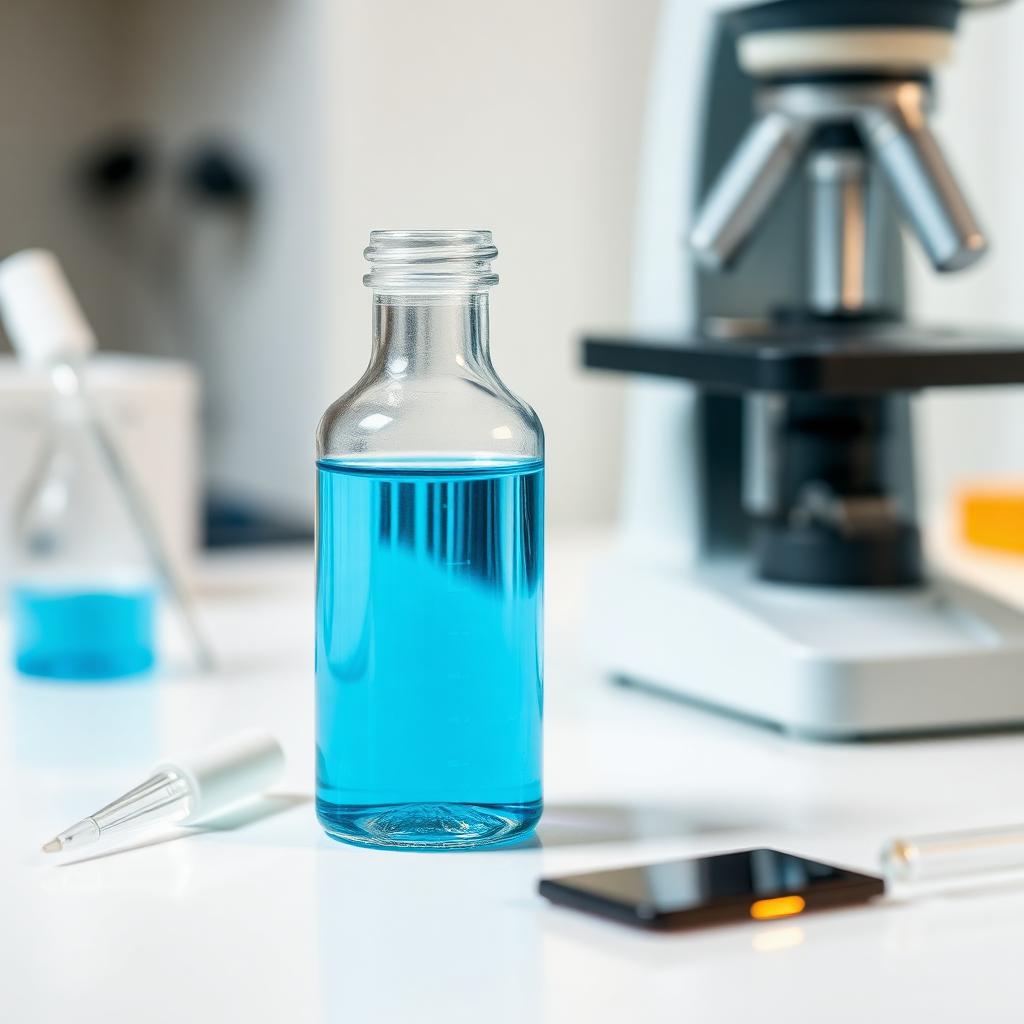
Lyophilised GHK-Cu is supplied as a blue powder reflecting the copper complex. For in-vitro work it is typically dissolved in bacteriostatic or sterile water; the resulting solution retains the characteristic blue colour. Final concentration is a function of vial mass and added diluent volume.
The Sculpt Labs Reconstitution Calculator converts vial mass and diluent volume into mg/mL concentration for record-keeping. Independent HPLC purity verification is published for every batch on our Purity Reports page.
Frequently asked questions
What is GHK-Cu?
GHK-Cu is the tripeptide glycyl-L-histidyl-L-lysine complexed with a copper(II) ion. It occurs naturally in human plasma and has been studied for over four decades as a copper-binding signalling peptide.
What does the research literature say about GHK-Cu and skin?
Published in-vitro and ex-vivo studies report effects on dermal fibroblast activity, collagen and glycosaminoglycan synthesis, and antioxidant gene expression. These are mechanistic observations from research models, not human treatment claims.
Has GHK-Cu been studied in hair follicle research?
Yes — research papers describe effects on follicular keratinocytes and dermal papilla cells in laboratory models. Findings remain in the research domain.
How is GHK-Cu reconstituted in a research setting?
Lyophilised GHK-Cu is typically dissolved in bacteriostatic or sterile water for in-vitro work. The Sculpt Labs Calculator converts vial mass and diluent volume into mg/mL concentration for record-keeping.
How is GHK-Cu purity verified?
Independent HPLC analysis from a third-party laboratory such as Janoshik Analytical confirms identity, purity and batch number. Sculpt Labs publishes COAs for every batch.
Sculpt Labs GHK-Cu — HPLC verified, Janoshik tested.
View HPLC-verified GHK-Cu →⚠ For research purposes only — not for human consumption.